
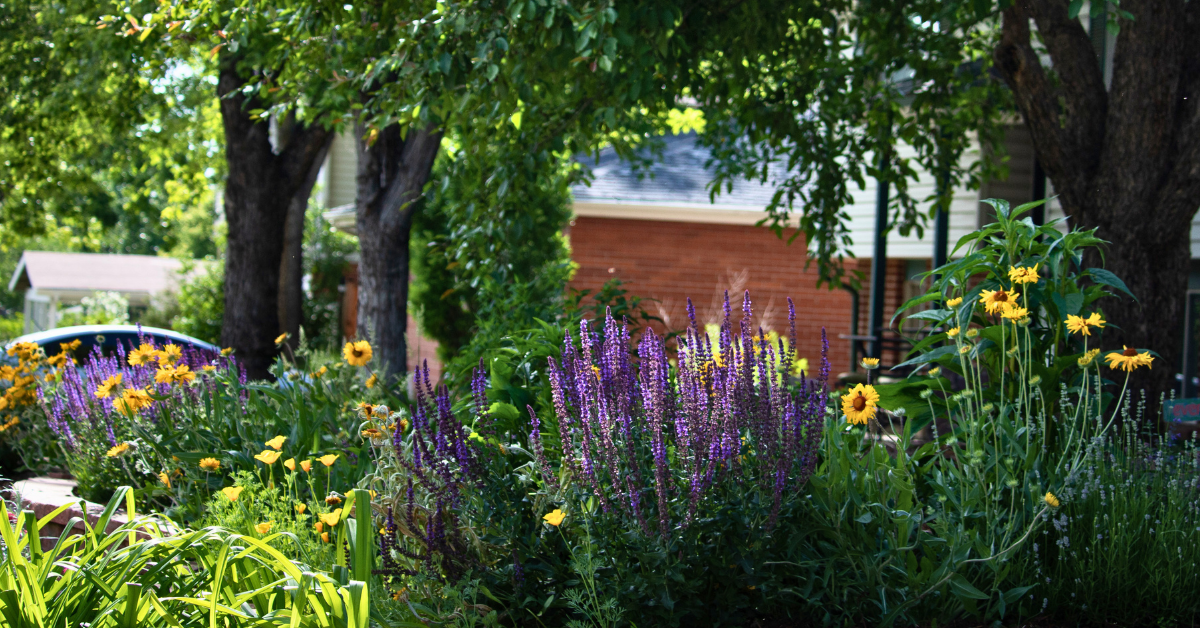
Our Garden Pairings are a great way to combine multiple Garden In A Box designs into one beautiful landscape, especially when you have a larger area with the same sun exposure.
But what if your yard isn’t all full sun or shade?
Most landscapes have a mix of growing conditions. A sunny front yard, a shady corner beneath a tree, or a spot that gets afternoon shade from your home can all create different growing conditions within the same landscape. These unique areas are called microclimates, and they can help you determine which gardens will thrive in each part of your yard.
Every Garden In A Box is thoughtfully designed for a specific sun exposure, whether it’s full sun, adaptable, or part shade. Instead of asking one garden to thrive everywhere, match each area of your yard with a garden designed for those conditions.
Before you plant, become a yard detective. Late summer is not only a great time to plant, but this is also a great time of year to study your garden’s summer sun exposure. Take a walk around your landscape and look for clues.
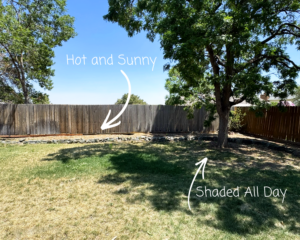
Where does the morning sun land? Which areas stay shaded through the afternoon? Where does the hot afternoon sun linger? As you observe how light changes
throughout the day, you’ll uncover your yard’s unique zones and discover the right Garden In A Box for every corner.
Determining Sun Exposure
Understanding your yard’s sun exposure is an important step in choosing plants that will thrive in each space. Garden In A Box kits are categorized by three sun exposure types: Full Sun, Adaptable, and Part Shade. But what do these designations mean?
Full Sun: Requires a minimum of 6 hours of direct sun per day.
Adaptable: Requires a minimum of 4 hours of direct or indirect sun per day.
Part Shade: Requires no more than 4 hours of direct or indirect sun per day.
Direct sun means sunlight that reaches the garden without anything blocking it. Indirect sun refers to sunlight that is filtered or obstructed before reaching the plants, such as sunlight passing through tree leaves.
Para determinar la exposición al sol de tu jardín:
- Observe your planting area throughout the day and note when it receives direct sunlight, indirect sunlight, or full shade.
- Consider trees that may leaf out during the warmer months and create additional shade.
- Remember that sunlight changes throughout the year. Your landscape will naturally receive more sunlight during the longer days of the growing season than during winter and early spring.
The timing of sunlight matters just as much as the number of hours a space receives. In Colorado, afternoon sun can be especially intense during the summer. Full sun plants thrive in strong afternoon sunlight, so make sure these areas receive direct sun, especially between noon and 4 p.m. Part shade plants, on the other hand, often prefer gentler morning or evening sunlight and may struggle with intense afternoon heat.
The Perfect Pair for Adjacent Sun and Shade
If you have a space with a clear division between sun and shade, such as a large tree casting shade and creating two distinct growing zones, consider planting Biodiversity Nursery and Shades of Summer side by side.
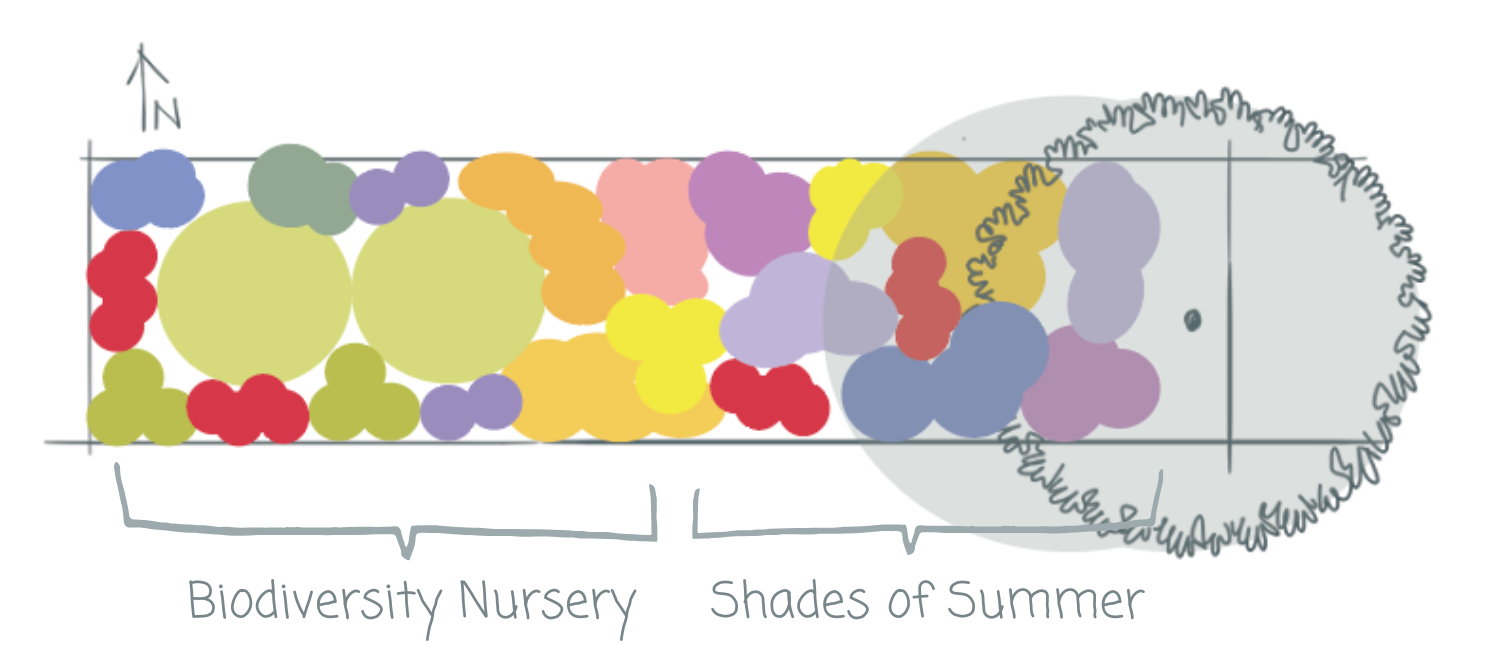
These two gardens show how different Garden In A Box designs can work together in the same yard. Each garden thrives in its preferred light conditions while creating a seamless transition across your landscape.
The two gardens also share a complementary color palette that helps them feel connected. Shades of Summer’s Red Coral Bells echoes the rich red blooms of Biodiversity Nursery’s Beard-Lipped Penstemon.
On the sunny side, Blue Flax and Prairie Sage create a cool color palette that transitions naturally into the silvery foliage of Plumbago and Beacon Silver Nettle beneath the shade.
Later in the season, asters bloom in both gardens, adding late-summer interest and creating another visual connection between the two spaces.
Frequently Asked Questions About Garden In A Box and Sun Exposure
Can I plant multiple Garden In A Box designs in the same yard?
Absolutely! Planting multiple Garden In A Box designs is a great way to create a landscape that works with your yard’s unique growing conditions. Since different areas of your yard may receive different amounts of sunlight, choosing gardens based on each space’s sun exposure can help your plants thrive.
Can I plant two different Garden In A Box kits next to each other?
Yes! Different Garden In A Box designs can work beautifully side by side, especially when each garden is planted in the area where it will receive the right amount of sunlight. For example, a full sun garden can transition into a part shade garden beneath a tree, creating a cohesive landscape while allowing each plant community to thrive.
How do I know how much sun my yard gets?
The best way to determine your yard’s sun exposure is to observe the space throughout the day. Pay attention to where sunlight hits the ground, where shade appears, and how this changes throughout the day.
What is the difference between full sun, adaptable, and part shade?
Garden In A Box designs are categorized by the amount of sunlight they need to thrive:
- Full Sun: Requires at least 6 hours of direct sunlight per day.
- Adaptable: Requires at least 4 hours of direct or indirect sunlight per day.
- Part Shade: Requires no more than 4 hours of direct or indirect sunlight per day.