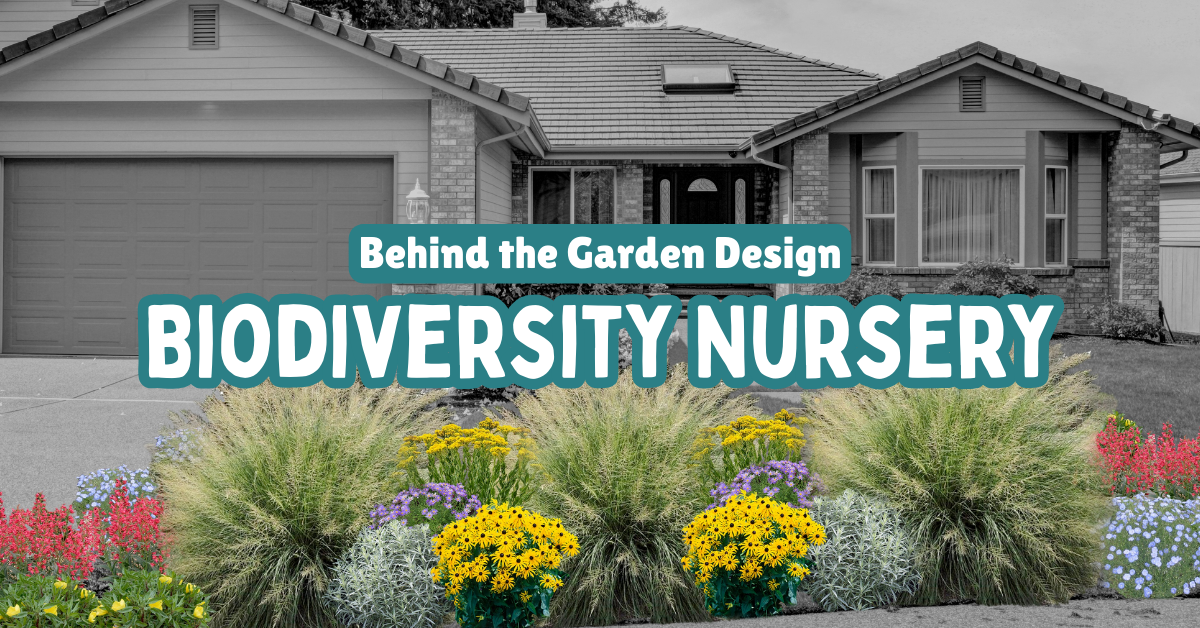
We recently sat down with Lauren Freels, a Landscape Architect with the City of Boulder Climate Initiatives, and designer of the stunning Biodiversity Nursery Garden In A Box kit. She gave us a behind-the-scenes look at how the garden came to life and the exciting research study it’s a part of. Lauren described her role with a smile, “Our goal is to adapt our community to climate change by helping our private citizens figure out what to do in their yards to respond to this change. I’m really interested in how that works to support urban biodiversity.”
Focusing on urban spaces is key. Climate research has decades of data from pristine places like alpine ecosystems and protected natural areas, but far less from the neighborhoods where most people actually live. “How can we connect to the people who are invested in these urban environments to fill that research gap?” Lauren asked.
That gap is exactly what the Biodiversity Nursery is designed to help fill. By planting a Biodiversity Nursery garden, you can join a citizen science project that collects data to help determine how climate change may be impacting biodiversity in urban spaces. In other words, your yard can become a part of real science, and all you have to do is watch, learn, and share your findings.
Phenology… What’s that?
So what kind of science are we talking about? Lauren introduced us to a word we hadn’t known before: phenology. “Phenology is the study of when things happen in ecosystems. When do plants start leafing out? When do they start flowering?” she explained.
Those moments of first leaf, first bloom, and seed set might feel small, but tracked over time across many locations, they tell a much bigger story about how plants and animals respond to changing temperatures, precipitation patterns, and seasonal shifts.
And here’s the cool part: people have been doing this for centuries. “People have been writing down their observations about when something happened in the natural world for a very long time… We can look at what’s going on now and compare that to these old diaries to get a sense of what’s changed.” That historical perspective is a goldmine for scientists.

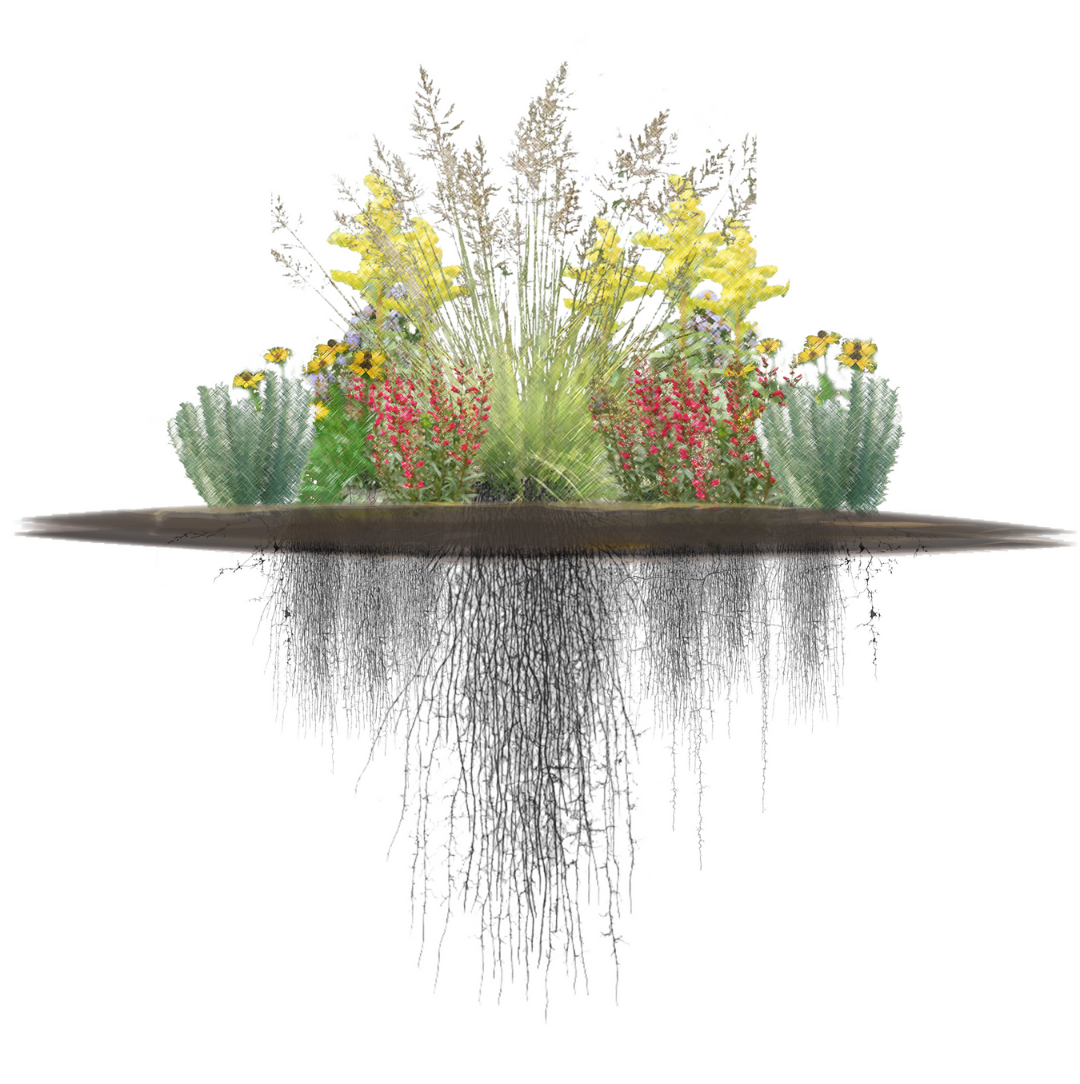
Biodiversity Nursery was designed specifically with phenology in mind. “What we’ve done is made a curated set of plants to try to get the longest flower timeline so there’ll be something to look at and monitor in the garden from April until October,” Lauren explained. That extended season creates repeated, recognizable opportunities for phenology observations that homeowners can easily record a few times a year.
You don’t have to be a plant or insect ID expert to make observations either. Today, we have tools like phones, photos, and apps, but the heart of the work is the same: noticing what’s happening and when. “What’s really awesome about living in the AI age is that our phones can identify plants… We’ve chosen plants that have some really identifiable characteristics,” Lauren said.
By planting this garden, you’re helping collect data on how climate change may be shifting the timing of blooms, insect activity, and plant life cycles in urban and suburban landscapes. As Lauren put it, “We only have a limited number of invertebrate ecologists, but we have a lot more people with yards.” Citizen scientists help bridge that gap, turning everyday observations into something bigger.
Beauty Meets Science
This garden wasn’t just designed with science in mind. “People also need beauty, right?” Lauren said.
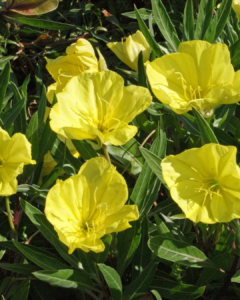
Biodiversity Nursery was curated to be visually engaging from season to season, with careful attention paid to color, bloom timing, and structure. Early in the year, softer yellows and blues from Evening Primrose and Blue Flax awaken in the garden. As summer rolls in, brighter colors and bolder forms take over, with plants like Rudbeckia and Penstemon carrying the garden through the warmest months. By late summer and fall, Goldenrod and Smooth Blue Aster step in, bringing even more color just as other plants begin to set seed.
“I was really trying to curate the design so we didn’t have clashing colors showing up at the same time,” Lauren explained. “Each season has a different feel to the garden.”
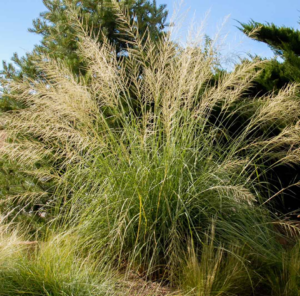
Structure matters, too. Taller grasses like Giant Sacaton give the garden a backbone, offering visual interest even in winter and helping gardeners remember where plants are as the seasons turn.
The result is a space that draws you outside, encourages lingering, and turns observations you’re probably already making into something meaningful.
Seeds That Spread Hope
One of the most charming aspects of Biodiversity Nursery is it isn’t meant to stay exactly the same.
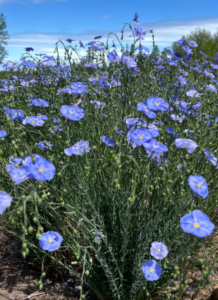
Many of the plants are enthusiastic reseeders like Smooth Blue Aster, Rudbeckia, and Blue Flax, meaning the garden evolves over time. New plants pop up, old ones shift, and the opportunity to share your bounty of blooms with neighbors and family grows.
Lauren likes to think of gardeners as guides rather than controllers. “Think of yourself as an editor,” she said. “They’re all natives, they’ve all been in this millennia- long relationship with our fauna and soils, so getting to spread that is awesome.”
There’s also something deeper in that reseeding, something that goes beyond ecology. “Seeds and hope are so tied… Are the good things that we do [in life] laying seeds? Maybe they’ll grow 10 years from now, maybe not. But that part of our creative process – planting seeds, letting them go into the world, seeing what they bring – is worth it,” Lauren said.
In a world that often asks for immediate results, this garden invites patience. It reminds us that small, thoughtful actions like planting natives, paying attention, and sharing observations can ripple outward in ways we may not fully see right away.
Learn More and Get Involved
Want to be part of this unique, statewide project? The Neighborhood Nature Lab brings it all together, giving you the tools to share observations, explore local data, and connect with a community of citizen scientists tracking urban biodiversity.
 To get started, join our Garden In A Box Interest List to be first in line to order a Biodiversity Nursery garden kit and secure your spot in this statewide project.
You can also sign up for our Waterwise Yard Seminar with University of Montana professor and project collaborator Paul Alaback, Understanding Bloom Time: Phenology & Biodiversity in Colorado Yards, on Wednesday, March 19, from 6:30 to 8 PM. Paul will guide you in observing bloom times, identifying plants and pollinators, and turning your backyard observations into real scientific data.
Over the coming months, the Neighborhood Nature Lab will offer even more ways to get involved, from hands-on workshops and online learning modules to onsite demonstrations, all designed to help your garden contribute to this larger network of citizen science.
We can’t wait to see gardeners across Colorado stepping into the world of science this year!