A City of Westminster resident makes her yard more drought-resilient and waterwise with Resource Central programs!
Hi, everyone. I hope that you all have been enjoying the wetter weather in mid-May. We know our waterwise plants have appreciated the extra moisture in these incredibly dry times!
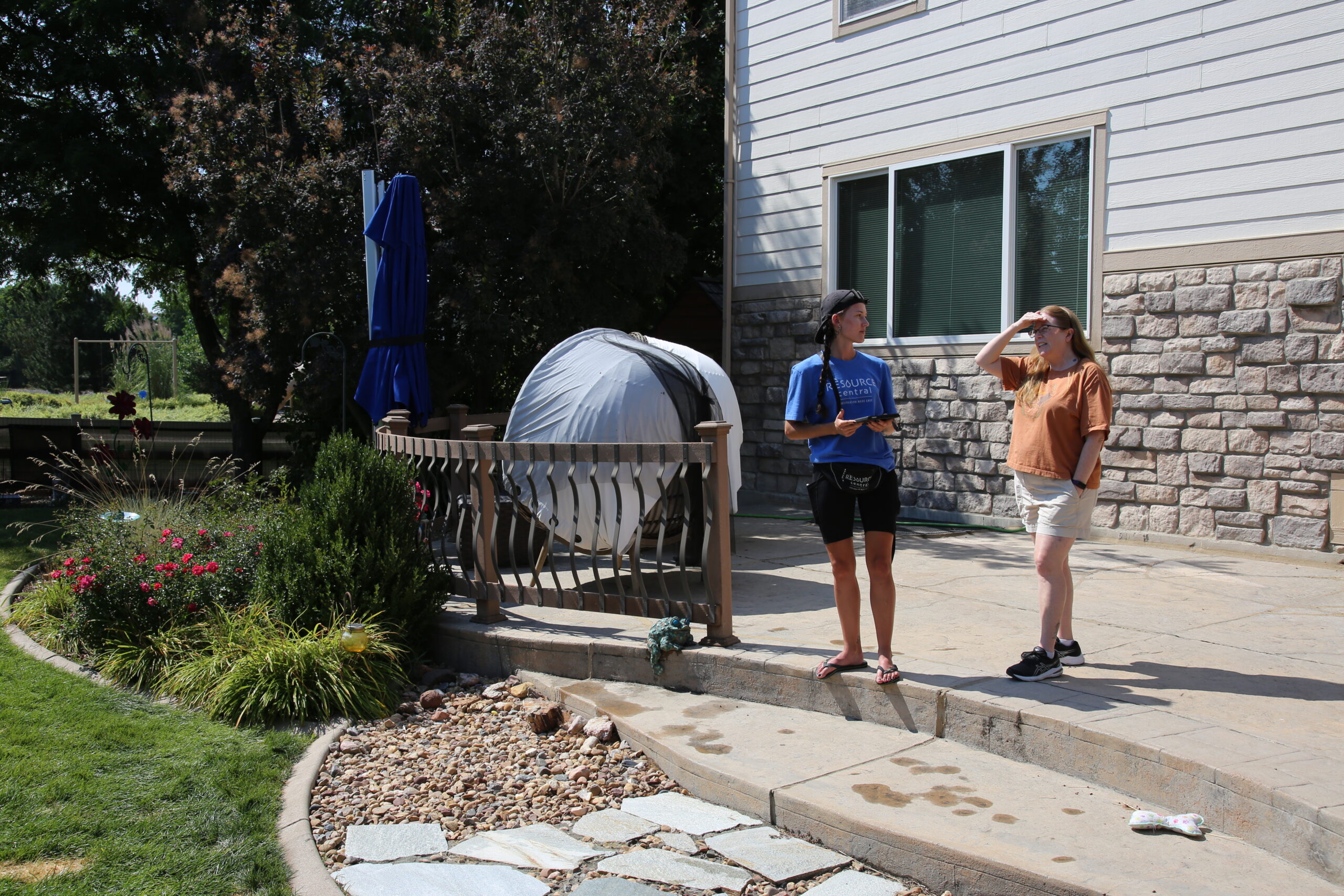
In this blog, I’m sharing my conversation with Westminster resident Liz. She has participated in multiple Resource Central programs, most recently receiving a free sprinkler system evaluation through our Slow the Flow program in partnership with the City of Westminster! I spoke with her while the sprinkler technician, Sasha, performed our standard efficiency tests and inspections.
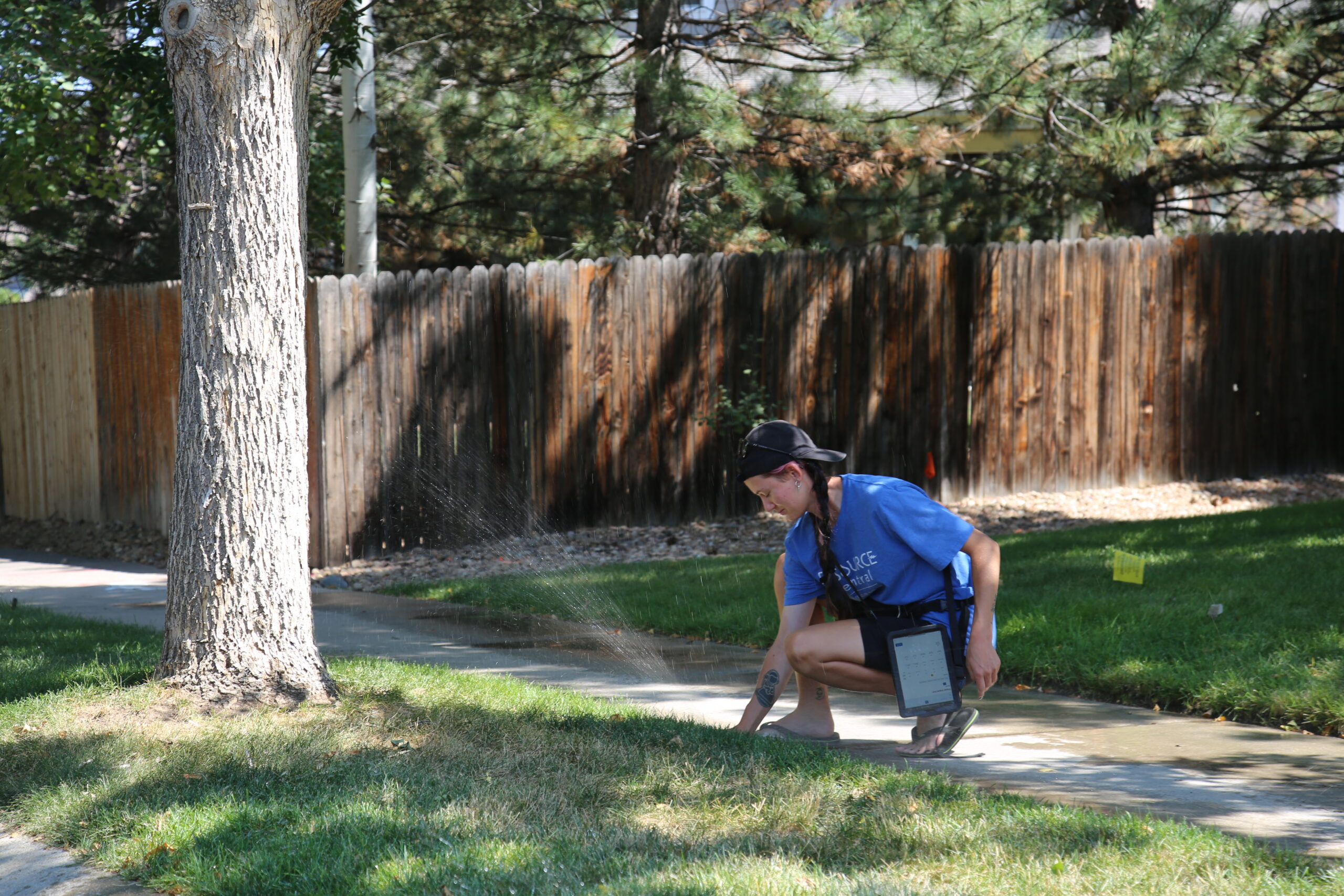
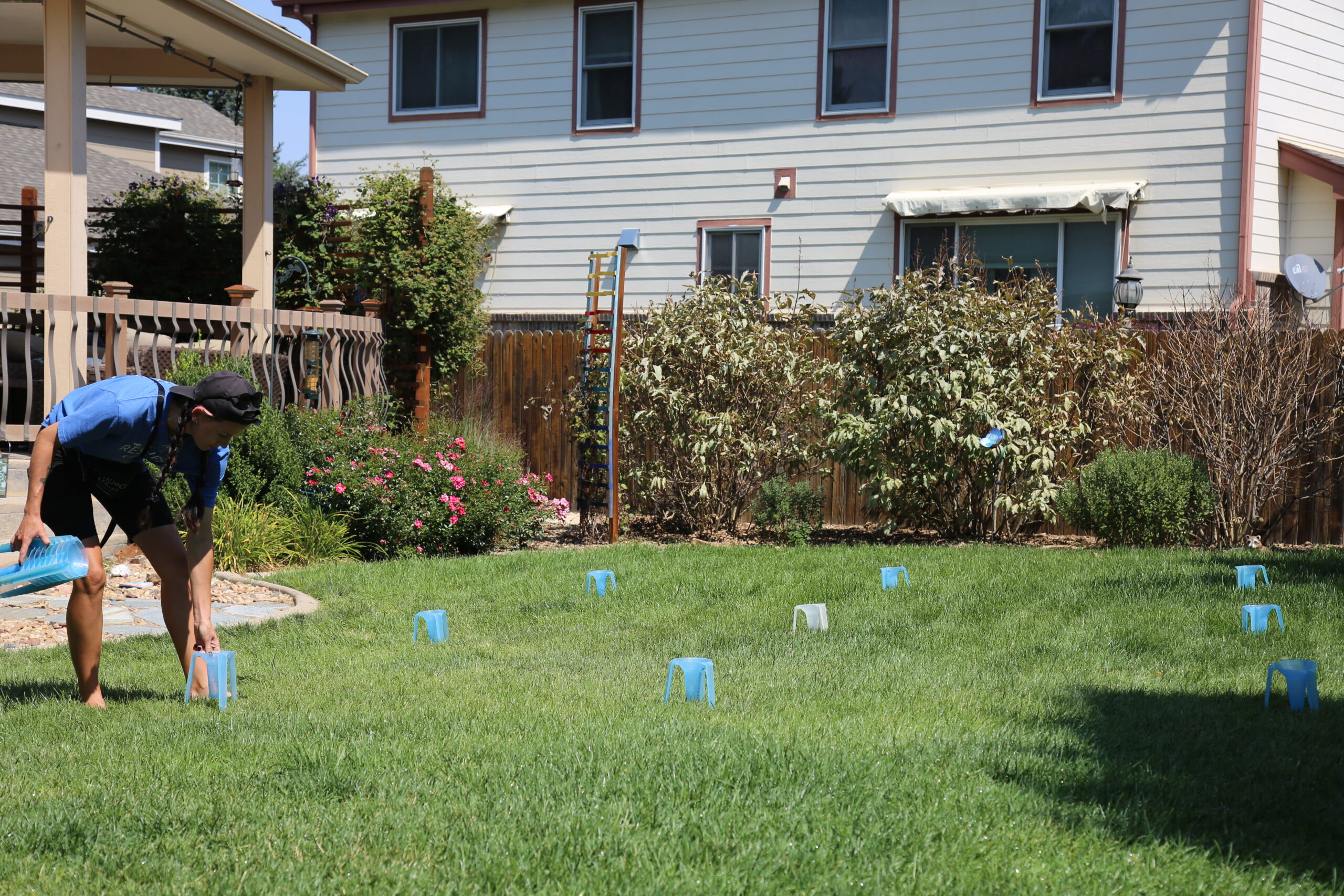
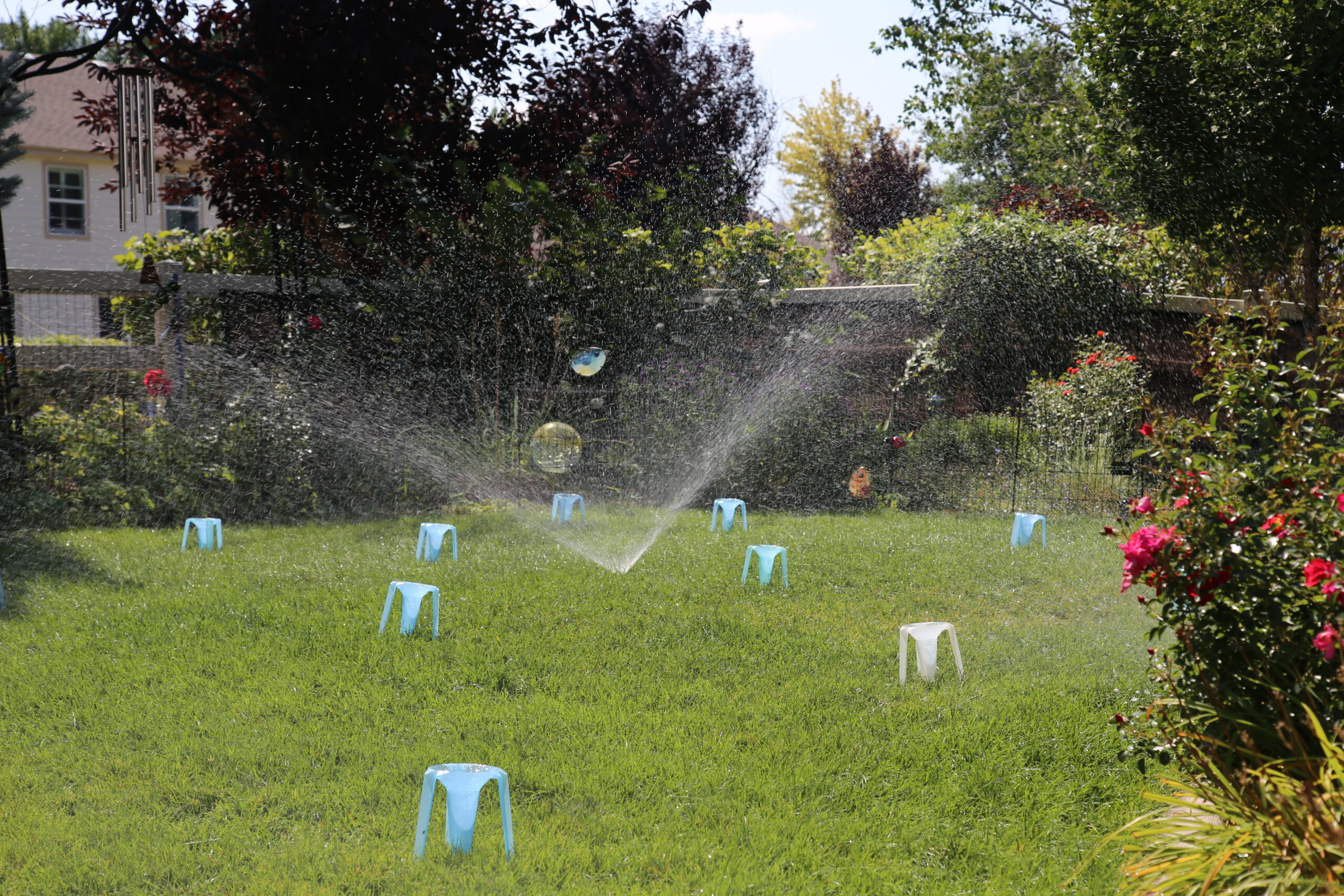
While Liz considers herself well-versed in sprinkler system maintenance, she still saw the benefits of setting up an appointment. She sought to learn even more and take advantage of tests that she couldn’t do herself. In addition to receiving a custom watering schedule, she was excited for an extra pair of eyes to look for fixes and for our “catch cup” efficiency test, designed to tell us how evenly and deeply a system waters the yard.
Her decision to sign up almost immediately paid off! “We did learn to check the sprinkler heads often to verify they are still working as expected. The review found two malfunctioning ones, which we were unaware of.”
Since the evaluation, Liz has thought more about the changing climate and how it relates to her outdoor water use. With science predicting a warmer, drier Front Range in the years ahead, similar to the current climate in areas farther south and to Western Colorado, she sees now as the time to adapt. “This was important to understand and to help us determine landscaping and water use in the future.”
So, what does that mean for the yard in the coming years? Take it from Liz! “The aesthetic we want to create in the front yard is that of the Rocky Mountains.” In other words, she’s looking to plant a landscape that’s more in tune with what naturally grows in our region – plants that are drought-tolerant and hardy.
That process starts with pulling out some lawn. “For the front yard, we plan to remove grass on the strips and on a small side yard by our driveway. We intend to place rock, mulch, and low-water plants from a Garden In A Box kit.” She’ll be converting the irrigation zone to a drip system for more precise watering, too.

These new plants are sure to complement the existing Garden In A Box kits in her backyard, now grown into a full, beautiful garden! Until then, Liz can rest easy knowing her irrigation system is more efficient when it is running.
Let’s all wish Liz a wonderful continuation on her waterwise journey. Thanks for tuning in, and see you next time!
-Garrett
At Resource Central, we believe that we can build a resilient and waterwise Colorado together through local action on a massive scale.
The individuals featured in this blog series are only snapshots of the work that’s being done by so many Coloradans to work toward that goal. So, whether you’re just starting to improve your water efficiency, are a seasoned low-water gardener, or are reading this blog and learning about waterwise gardening for the first time, thank you for joining us in creating a more waterwise future.
Are you interested in sharing your story or know of someone who would be great to feature? Email me with details!
And don’t forget! You can always find more inspiring stories using the Waterwise Communities tag on our blog page.