
What to Do (and What to Leave Alone)
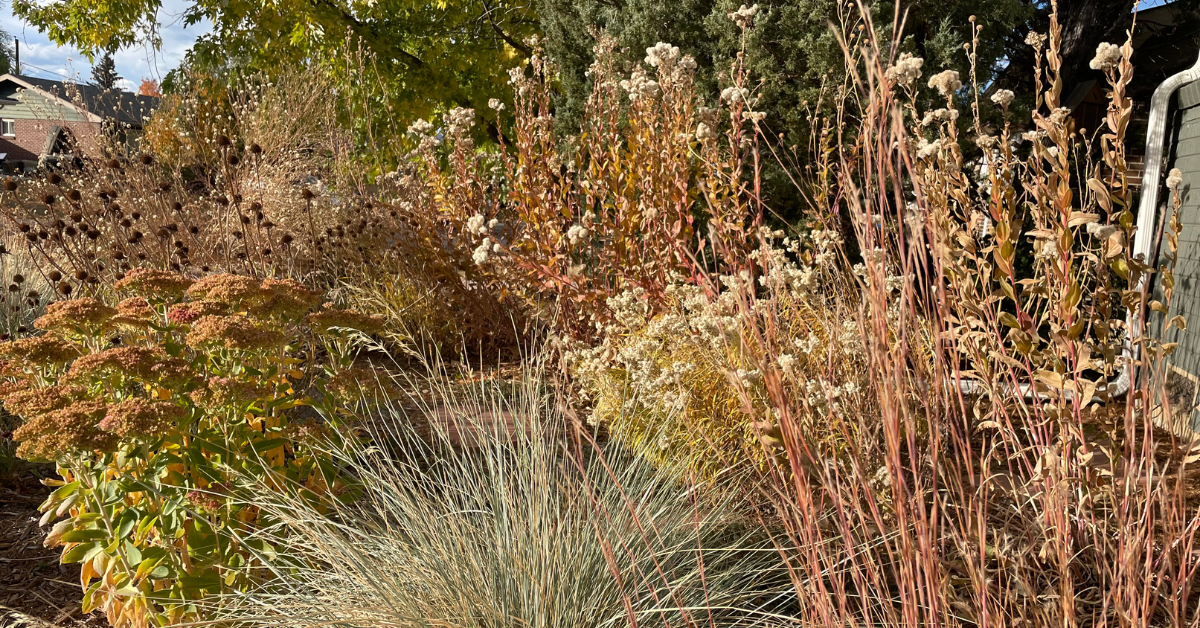
Fall in Colorado is a great time to give your garden a little attention before winter. But when it comes to fall garden cleanup, less is often more! While it might be tempting to cut back every perennial, rake up every leaf, and tidy every corner, leaving some natural plant material in place can benefit your garden, local pollinators, and wildlife.
Many perennials, including native plants, provide valuable shelter for overwintering insects and food for birds. Their dried stems, seed heads, and fallen leaves can also add texture and interest to your winter landscape.
If you have a waterwise garden or a Garden In A Box, a few simple fall maintenance tasks can help protect your plants through Colorado’s cold, dry winters without creating extra work.
1. Leave Perennials and Seed Heads Standing
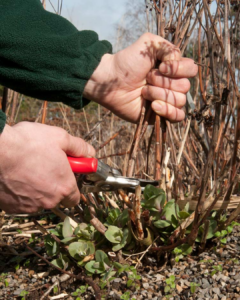 Resist the urge to cut back every perennial in the fall. Dried flower heads and standing stems provide seeds for birds and shelter for beneficial insects through the winter. They also give your garden some visual interest when everything else goes dormant.
Many waterwise perennials can remain standing until spring. When warmer weather returns, you can trim back old growth to make room for new shoots.
2. Keep Fallen Leaves
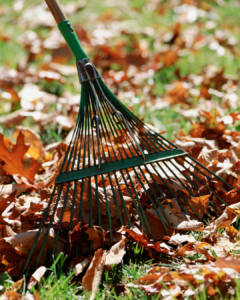 Before bagging up every fallen leaf, consider putting them to work in your garden. A light layer of leaves in perennial beds and beneath trees and shrubs can help insulate the soil, retain moisture, and provide shelter for overwintering insects.
Avoid leaving thick layers of leaves on your lawn, where they can smother the grass. Instead, rake them into garden beds or shred them to help them break down more easily.
3. Remove Weeds and Diseased Plant Material
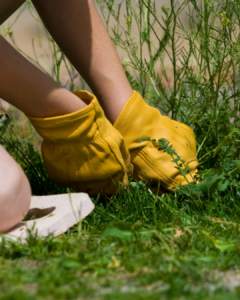 Fall cleanup still has its place! Pull persistent weeds before they have another chance to spread, and remove diseased plant material to help reduce the risk of problems next season.
If a plant shows signs of disease, dispose of the affected material in the trash rather than your home compost pile. Healthy perennial stems and leaves can often stay in place, so focus your cleanup efforts where they will make the biggest difference.
4. Refresh Your Mulch
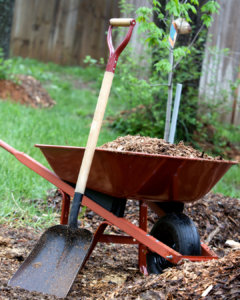 Fall is a good time to check the mulch around your trees, shrubs, and garden beds. A layer of organic mulch helps retain soil moisture, moderate soil temperatures, and protect roots from Colorado’s freeze-thaw cycles.
If your garden needs more mulch, add a fresh layer without burying smaller plants. Keep mulch away from tree trunks and shrub stems, and avoid piling it too deeply around plant crowns.
You can also use shredded leaves as a natural mulch in appropriate garden areas.
5. Give Trees and Shrubs a Drink Before Winter
Colorado winters can be surprisingly dry, even when temperatures drop below freezing. Extended periods without rain or snow can leave trees and shrubs vulnerable to winter drought.
Check soil moisture around your trees and shrubs, especially newly planted trees and evergreens. Water when needed on a mild day when temperatures are above 40°F and the ground is not frozen. Water early enough for moisture to soak into the soil before nighttime temperatures drop.
Continue checking conditions throughout winter, too. If your area goes several weeks without meaningful precipitation or snow cover, your landscape may need additional watering.
Always follow your local water provider’s watering rules and restrictions.
For more guidance, check out Colorado State University Extension’s Fall and Winter Watering of Plants and Trees.
What NOT to Do During Fall Garden Cleanup
When preparing your waterwise garden for winter, keep these common fall gardening mistakes in mind:
- Don’t cut back everything. Standing stems and seed heads can provide important winter habitat and food for wildlife.
- Don’t haul away every leaf. Healthy fallen leaves can help protect soil and shelter beneficial insects.
- Don’t leave diseased plants in place. Remove infected material and dispose of it appropriately.
- Don’t forget about winter watering. Colorado’s dry climate can stress trees and shrubs long after the growing season ends.
- Don’t overdo the mulch. Keep mulch away from trunks and plant crowns, and avoid smothering smaller plants.
Want More Tips for Pollinator-Friendly Fall Cleanup?
Not sure what to cut back, what to leave standing, or how to help pollinators make it through winter? Watch our free Waterwise Yard Seminar recording, Pollinator-Minded Fall & Winter Garden Care, featuring Ashley White of Butterfly Pavilion.
 You’ll learn how to support bees, butterflies, and other beneficial insects through the colder months with habitat-friendly garden cleanup and seasonal care tips.
Watch the seminar on YouTube for more ways to create a garden that supports pollinators year-round.
Give Your Garden a Break
Preparing your Colorado garden for winter doesn’t have to mean hours of cutting, raking, and hauling. A little targeted cleanup, some thoughtful mulching, and occasional winter watering can go a long way.
For waterwise gardens, working with nature instead of tidying every last corner can help conserve moisture, support pollinators, and create a healthier landscape for the seasons ahead.
Have questions about caring for your Garden In A Box plants? Send them to GardenInfo@ResourceCentral.org, and sign up for our Garden In A Box Interest List for more seasonal gardening tips and waterwise inspiration.