
As watering restrictions begin across Colorado, many homeowners are noticing brown lawns and wondering if they need to water or if their grass is dead?
The good news is that brown grass is often still alive. In Colorado’s dry climate, lawns commonly go dormant as a natural way to conserve water and survive heat and drought. Knowing the difference between dormant and dead grass can help you avoid unnecessary watering. For additional ways to save water, check out Resource Central’s water conservation programs.
Why Grass Turns Brown in Colorado
Heat, drought, and limited watering can stress traditional lawns, especially cool-season grasses like Kentucky bluegrass. In response, grass may go dormant, temporarily stopping top growth to conserve water and energy until conditions improve.
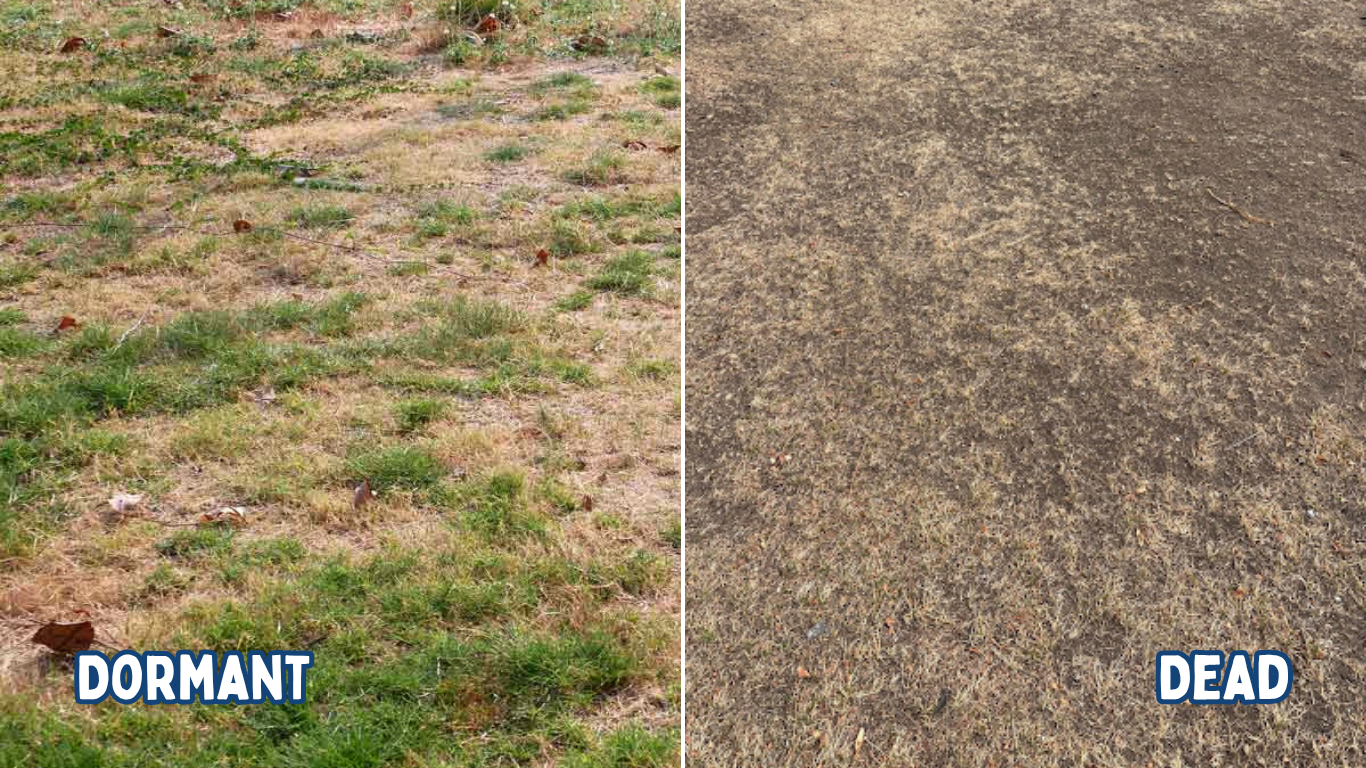
Dormant vs. Dead Grass: Key Differences
Dormant grass:
- Brown or yellow in color
- Flexible and soft, even when brown
- Can recover with proper care
Dead grass:
- Feels dry and brittle and crumbles when touched
- Leaves bare, patchy areas of dirt
- Does not recover even with proper watering and fertilizing
- Stays flattened or breaks easily with no spring or elasticity
How to Tell If Your Grass Is Dormant or Dead
Do a tug test
If the grass crumbles or breaks apart at gentle touch or tug, it’s likely dead.
Check the pattern
Widespread browning often means dormancy, while patchy areas may signal dead spots.
Think about the weather
Extreme heat, freezing temperatures, and drought commonly trigger dormancy in Colorado lawns. Like many perennials, grass naturally goes dormant as a survival response to these conditions.
Check the Color
- Dormant grass = tan or light brown, like a straw color
- Dead Grass = Dark brown, gray, or black.
How to Care for Dormant Grass While Using Less Water
If your lawn is dormant, focus on keeping it healthy without overwatering:
- Water lightly, about 0.25 inches per week (Dormant grass needs at least 0.25 inches of water one day per week to keep it from dying)
- Use cycle and soak watering (following your municipalities watering restrictions)
- Limit foot traffic
- Avoid mowing and fertilizing during dormancy
Keeping your lawn dormant during peak summer can help save water while keeping it alive and ready to recover. Over-watering extremely dry will more likely result in run-off and waste.
Even if you’re planning for lawn removal later, it’s still important to maintain your grass in the meantime, so that healthy, though dormant, roots can be properly removed. Additionally, weeds, unlike grass, love neglect. Keeping your lawn alive until your project begins can help minimize weed growth and set you up for a smoother transition to a waterwise yard.
Take the Next Step Toward a Waterwise Yard
Not sure what your lawn needs? Resource Central can help.
Join the interest list for a free Slow the Flow sprinkler evaluation to improve efficiency, reduce water waste, and keep your landscape healthy.
Ready for a bigger change? Apply for Resource Central’s Lawn Removal Service to swap thirsty grass for a waterwise landscape that saves water and supports pollinators.
Both programs are designed to help you build a more waterwise and resilient yard in Colorado.